Modern Living Room Ideas for Contemporary Homes
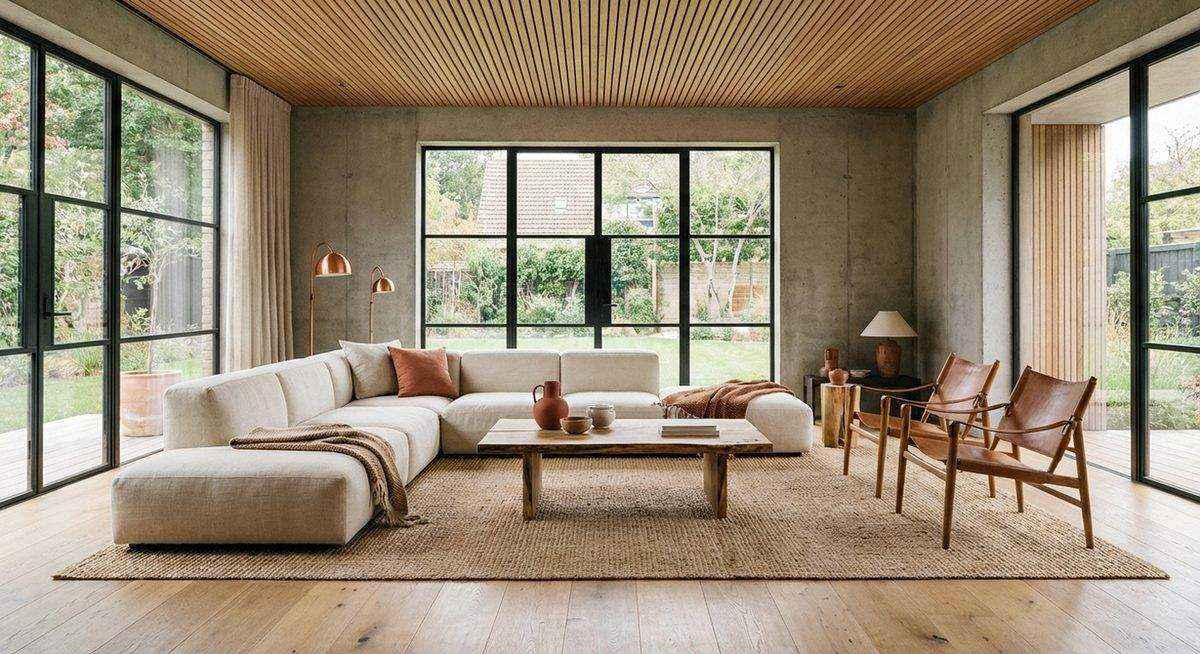
Modern living room design has evolved beyond the cold minimalism that defined it in the early 2000s. Today’s contemporary interiors combine the clean lines and uncluttered spaces of modernism with the warmth of natural materials, the personality of curated objects, and the comfort that daily living demands. The result is a style that feels current without sacrificing livability.
Defining Modern
Modern interior design is characterized by simplicity, functionality, and honesty of materials. Forms are geometric and clean. Ornamentation is minimal. Every element serves a purpose — decorative or functional, ideally both. The palette tends toward neutrals with deliberate accent colors. Surfaces are clean, storage is concealed, and the overall impression is one of calm order.
The Modern Sofa
Low-profile, straight-armed sofas define the modern living room silhouette. A platform base rather than exposed legs creates a grounded, stable appearance. Upholstery in bouclé, performance linen, or high-quality synthetic fabrics provides comfort and durability in clean-lined forms. Modular sectionals that configure to different layouts offer the flexibility that modern living demands.
Material Warmth
The correction to cold modernism comes through material selection. Natural oak floors, walnut furniture, stone surfaces, wool textiles, and leather seating bring organic warmth that prevents the modern palette from feeling sterile. The contrast between the precision of modern forms and the natural variation of genuine materials creates a tension that is both sophisticated and welcoming.
Art as Focal Point
In a room stripped of ornamental excess, art carries enormous visual weight. A single large-scale piece on the primary wall — abstract, photographic, or graphic — becomes the room’s defining element. The art provides color, emotion, and conversation that the restrained architecture deliberately leaves space for. Choose pieces that resonate personally rather than decoratively — in a modern room, the art speaks loudly.
Technology Integration
Modern rooms integrate technology rather than featuring it. A wall-mounted television with concealed cables — or a television that displays art when not in use — maintains the clean wall plane. Wireless speakers replace visible audio equipment. Smart lighting controlled by voice or app eliminates the need for multiple switches and dimmers. The technology is present but invisible.
Open Plan Considerations
Modern homes frequently feature open floor plans that combine living, dining, and kitchen areas. In these settings, the living room zone is defined by furniture arrangement and rug placement rather than walls. A consistent material palette and color scheme across all zones creates visual unity, while changes in flooring material, ceiling treatment, or lighting design provide subtle zone differentiation.
The Warm Modern Balance
The most successful modern living rooms balance opposing qualities: minimal but not empty, clean but not cold, simple but not boring. Achieving this balance requires both restraint (resisting the urge to fill every corner) and intention (choosing each element for its contribution to the whole). A modern room with ten carefully chosen pieces will always feel richer than one with fifty assembled without discrimination.