50+ Living Room Ideas for Every Style and Budget
The living room is where daily life happens — where families gather, guests are welcomed, and quiet evenings unfold. Designing this space well means balancing comfort with aesthetics, function with personality, and personal taste with practical demands. The following ideas span styles, sizes, and budgets, offering starting points for any living room project.
Layout Fundamentals
Every successful living room begins with a clear focal point: a fireplace, a view, a media wall, or a large piece of art. Arrange the primary seating to face this focal point, with secondary seating angled to encourage conversation. A coffee table or ottoman at the center anchors the grouping and provides surface space within reach of every seat.
In open-plan spaces, define the living area with a large rug that extends beneath all major seating pieces. The rug acts as an invisible wall, marking the living zone’s territory within the larger room.
Small Living Room Strategies
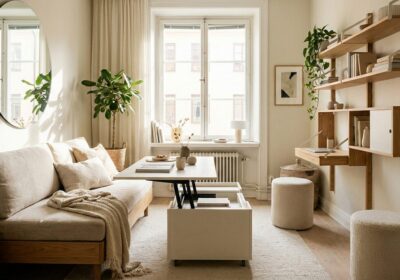
In compact spaces, every piece must justify its presence. A loveseat or apartment-scale sofa provides seating without dominating the room. A round coffee table eliminates sharp corners and improves traffic flow. Mirrors on the wall opposite the window double the perceived space. Vertical storage — tall bookshelves, wall-mounted cabinets — captures volume above the furniture line.
Color Approaches
Neutral Foundation
Warm whites, soft grays, and natural wood tones create a versatile base that accommodates any accent color. The room’s personality enters through textiles, artwork, and accessories — elements easily updated as tastes evolve.
Bold Feature Wall
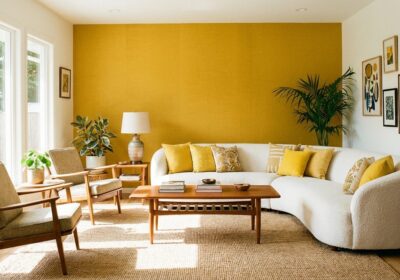
A single wall in deep navy, forest green, or rich terracotta creates a dramatic backdrop that makes furnishings pop. The remaining walls in a lighter tone prevent the room from feeling enclosed.
Tonal Palette
Multiple shades of a single hue — from the palest tint on the ceiling to the deepest shade on the sofa — create a sophisticated, layered look that feels cohesive and intentional.
Furniture Selection
Invest in the sofa. It is the room’s largest piece, the most frequently used, and the most visible. A quality sofa with a durable frame, resilient cushions, and a timeless silhouette will serve for a decade or more. The frame should be kiln-dried hardwood; the cushions should maintain their shape after repeated use; the upholstery should be cleanable and appropriate for the household’s level of activity.
Complement the sofa with accent chairs that provide visual variety — a different silhouette, a different material, a different era. The contrast between a structured armchair and a relaxed sofa creates the tension that makes a room feel curated rather than catalogued.
Lighting Layers
Three lighting layers create a living room that functions throughout the day: ambient lighting (overhead fixtures or wall sconces) for general illumination, task lighting (floor lamps, table lamps) for reading and close work, and accent lighting (picture lights, LED strips, candles) for atmosphere. The ability to adjust each layer independently — through dimmers, switches, and smart controls — allows the room’s mood to shift from bright functionality to intimate warmth.
Texture and Material
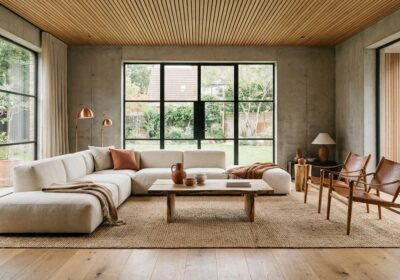
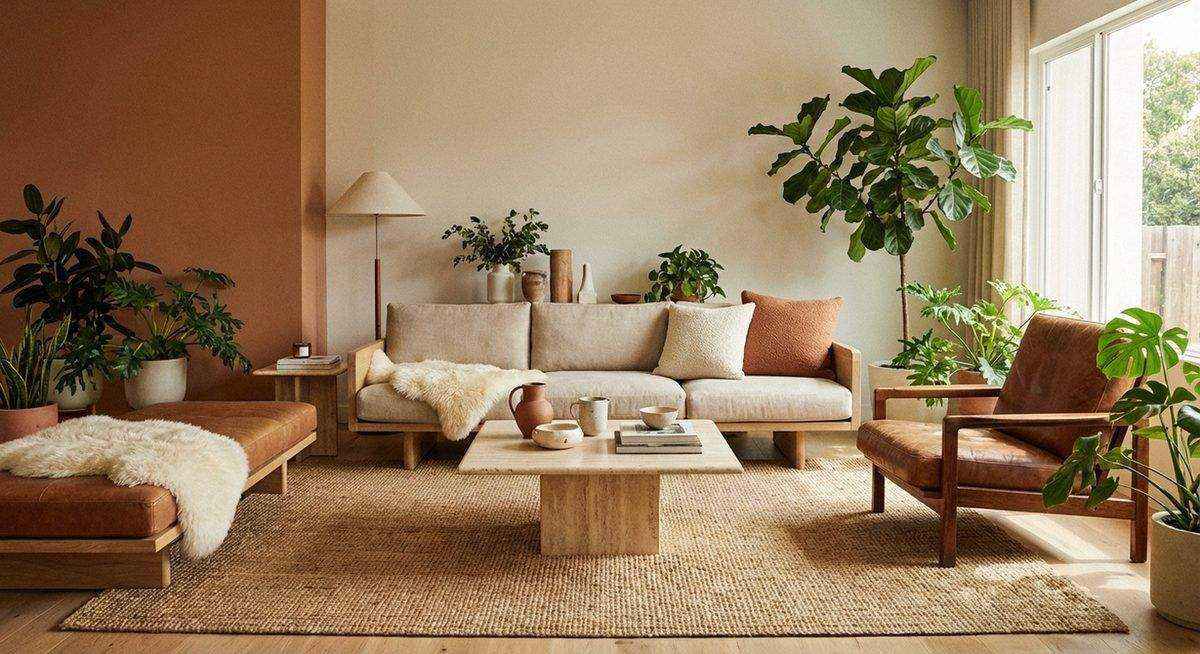
A room with a single texture feels flat. Layer contrasting materials — a linen sofa, a leather chair, a wool rug, a glass coffee table, a wooden side table — to create visual and tactile richness. The interplay between smooth and rough, soft and hard, matte and reflective gives the room depth that color alone cannot achieve.
Personal Touches
Books, collected objects, travel souvenirs, family photographs, inherited pieces, and plants transform a decorated room into a lived-in home. These elements should accumulate naturally rather than be installed all at once — a living room that tells the story of its inhabitants’ interests and experiences is always more compelling than one that tells the story of a single shopping trip.
Trending Ideas
Curved furniture — rounded sofas, arc-shaped coffee tables, circular rugs — softens the angular architecture of modern homes. Warm minimalism pairs clean lines with rich materials for a look that is both spare and inviting. Vintage mixing introduces one-of-a-kind pieces that add character and sustainability. Biophilic design brings nature indoors through plants, natural materials, and views of greenery.
Sources & Further Reading
- Architectural Digest — Living Room Design
- Elle Decor — Living Room Inspiration
- Houzz — Living Room Photos