Stylish Teen Bedroom Ideas That Grow With Them
The teen bedroom serves more functions than any other room in the house: sleeping, studying, socializing, relaxing, and establishing identity — often simultaneously. Designing for this complexity requires a framework flexible enough to accommodate changing tastes while sophisticated enough to avoid the disposable aesthetic that most teenagers outgrow within a year.
The Foundation: Neutral Base
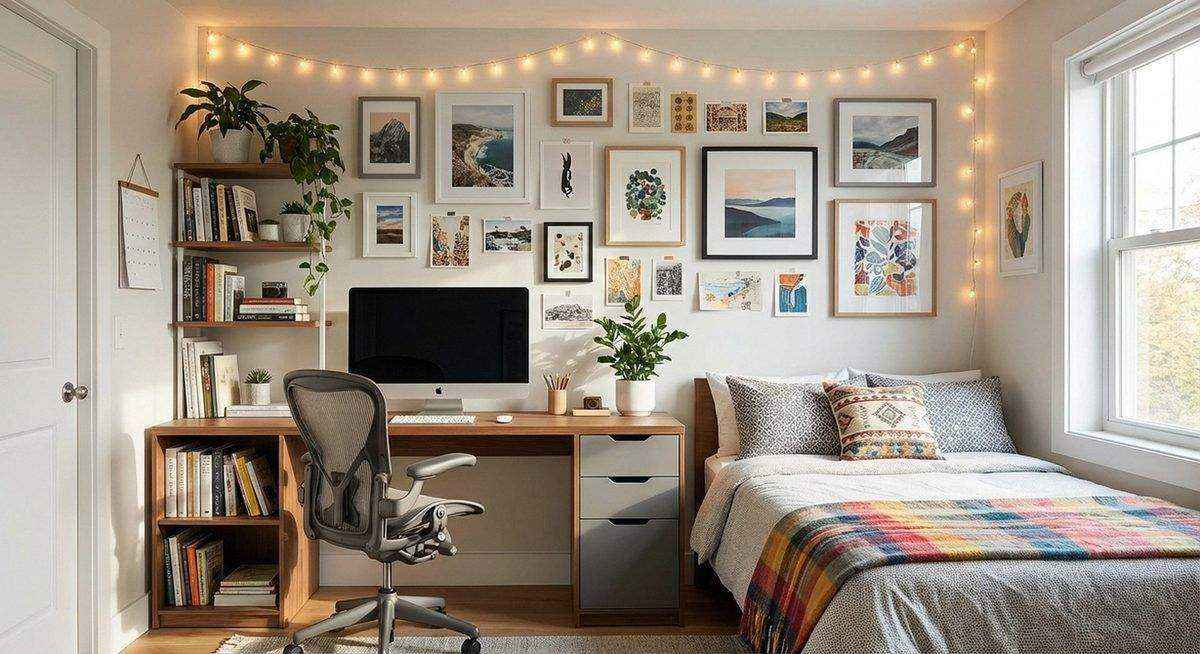
Walls, flooring, and major furniture in neutral tones — white, gray, warm taupe, or soft black — create a backdrop that accommodates evolving tastes without requiring renovation. The foundation should be durable, quality, and deliberately understated: a good desk, a solid bed frame, adequate storage. These pieces will outlast multiple rounds of poster changes, color shifts, and identity exploration.
Self-Expression Through Accessories
Where the neutral base provides stability, accessories provide voice. A gallery wall of personal photographs, concert posters, artwork, and printed quotes creates a visual autobiography that the teen curates independently. String lights, neon signs, or LED strips add atmosphere. Throw pillows, blankets, and rugs introduce color that can be swapped seasonally or whenever mood shifts demand.
The key is providing designated spaces for self-expression — a pin board, a gallery wall area, a display shelf — rather than allowing decoration to expand without boundaries. Contained expression reads as intentional design; uncontained expression reads as mess.
The Study Zone
A dedicated desk area, separated from the bed by position or visual divider, establishes study as a distinct activity rather than something done while lying down with a laptop. The desk should accommodate a monitor or laptop, textbooks, and writing space simultaneously. A comfortable task chair, adequate desk lighting, and organized storage for supplies complete a workspace that supports academic performance.
Cable management matters more in teen bedrooms than almost anywhere else — multiple devices charging simultaneously create tangle and visual clutter. A power strip mounted under the desk, cable clips along the desk edge, and a charging station on the nightstand keep technology organized.
Storage That Respects Privacy
Teenagers need private storage — places to keep personal items out of siblings’ reach and parents’ casual view. A locking drawer, a high shelf, or a storage ottoman with a closing lid provides this without creating adversarial dynamics. Open storage (visible shelves, wall hooks) handles everyday items; closed storage handles everything else.
Social Space
A floor cushion, a bean bag, or a small loveseat provides seating for friends that does not require sitting on the bed. This distinction matters more than parents typically realize — a bedroom with dedicated social seating feels like a room; a bedroom where guests sit on the bed feels like a last resort.
Longevity
The best teen bedrooms are designed to evolve into young adult spaces. A desk that works for homework also works for a first job’s remote work. A bed frame that suits a 14-year-old also suits a 24-year-old. Neutral foundations with interchangeable accessories allow the room to mature alongside its occupant without requiring a complete redesign at each developmental stage.
Sources & Further Reading
You May Also Like