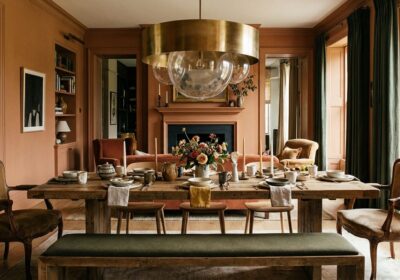
How to Freshen Up Your Dining Room Without a Full Remodel
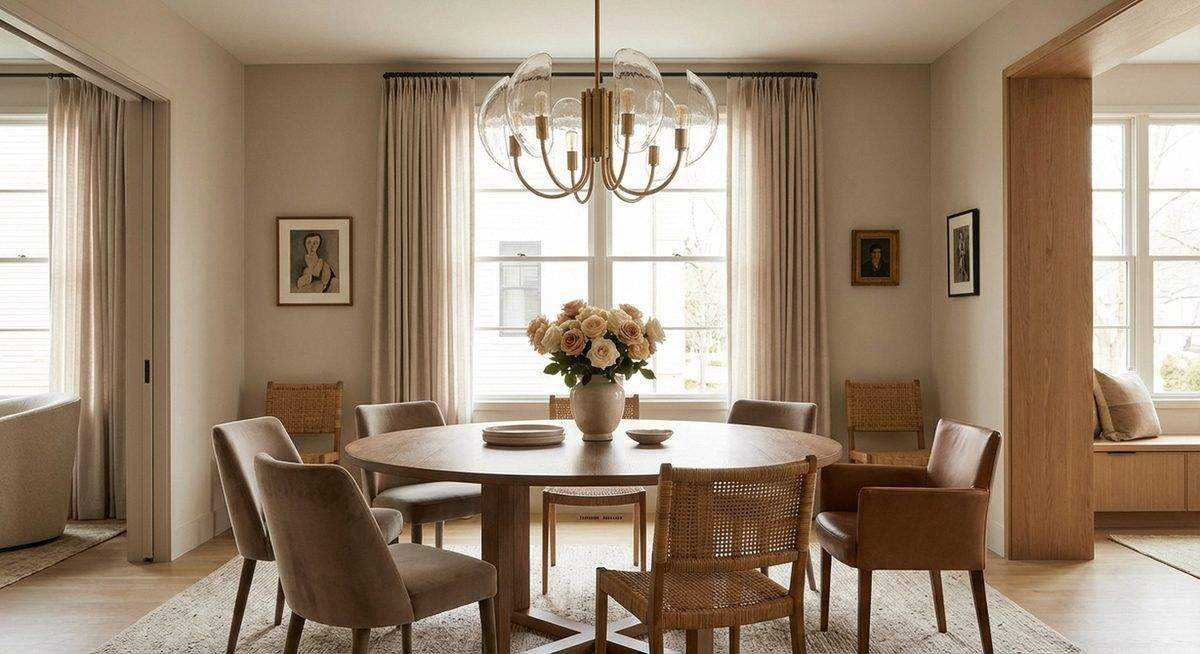
Dining rooms fall out of fashion more quietly than other spaces — the outdated chandelier, the chairs that no longer suit the table, the curtains that have faded from burgundy to something closer to brown. A full renovation is rarely necessary. Targeted updates to a few key elements can make a dining room feel current without the disruption and cost of starting over.
Lighting: The Single Biggest Impact
Replacing the light fixture above the dining table is the fastest route to a transformed room. A pendant light or chandelier that suits the room’s current style — linear and minimal for contemporary spaces, organic and sculptural for transitional ones — resets the visual tone of the entire space. The fixture should hang 75 to 85 centimeters above the table surface and span roughly half to two-thirds of the table’s width.
If the existing fixture has merit but feels dated, consider a simple update: replacing shades, changing the finish with specialty spray paint, or adding dimmable smart bulbs that allow color temperature adjustment. Warm light (2700K) flatters food, faces, and room surfaces alike.
Seating Refresh
Reupholstering dining chairs — or simply replacing seat cushions — changes the room’s character more dramatically than most people expect. A shift from traditional fabric to modern bouclé, or from patterned chintz to solid velvet, can move a dining set forward by a decade without replacing the frames.
For a more radical update, consider mixing chair styles: keep the host chairs at each end but replace the side chairs with a contrasting design. A wooden table flanked by upholstered side chairs and capped with bentwood host chairs creates visual interest that uniform seating cannot achieve.
The Table Itself
Before replacing a dining table, consider refinishing it. Stripping a dark mahogany stain and applying a lighter natural finish can modernize a traditional table without losing its structural quality — older tables are often better built than their contemporary replacements. A round of careful sanding, a coat of quality stain, and two coats of polyurethane constitute a weekend project that yields years of renewed use.
Wall Treatment
A single accent wall in the dining room — whether painted, wallpapered, or clad in wood paneling — adds depth and drama without overwhelming the space. Grasscloth wallpaper, vertical shiplap, or a rich paint color behind a sideboard or buffet creates a backdrop that elevates everyday dining.
Art and Accessories
An oversized piece of art — or a gallery arrangement of smaller pieces — on the room’s most visible wall gives guests something to admire and anchors the room’s color palette. Art in the dining room should be proportioned to the wall: a single large piece on a wide wall, or a tightly arranged group on a narrower one.
On the table itself, a simple arrangement refreshed weekly — seasonal branches in a tall vase, a bowl of citrus fruit, a cluster of candles at varying heights — signals that the room is actively used and cared for rather than preserved for rare occasions.
Underfoot Updates
A rug beneath the dining table grounds the furniture grouping and adds warmth to hard flooring. Choose a rug large enough for chairs to remain on it even when pulled out — typically 60 centimeters larger than the table on all sides. Flat-weave or low-pile constructions resist crumbs and clean easily, making them practical as well as beautiful.