10 Extraordinary Hotels Worth Traveling For
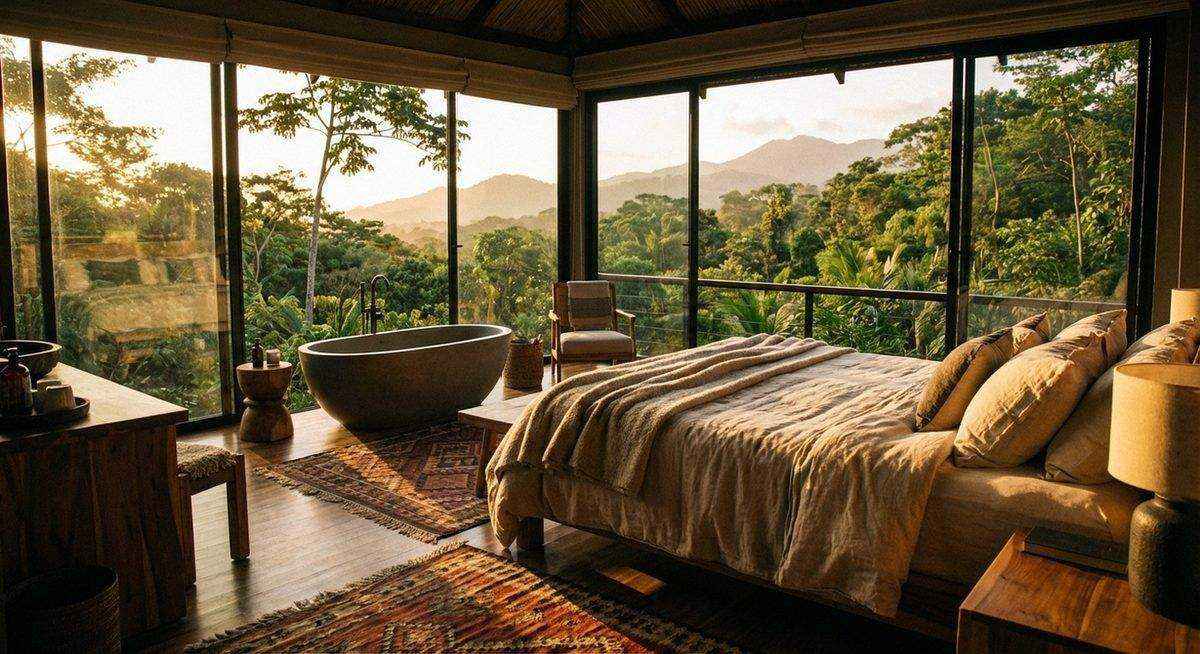
The most memorable hotels are not merely places to sleep — they are destinations in themselves, where architecture and environment converge to create experiences unavailable anywhere else on Earth. These ten properties represent the outer edge of hospitality design, each offering something that cannot be replicated by even the most luxurious conventional hotel.
1. Icehotel, Jukkasjärvi, Sweden
Rebuilt annually from ice harvested from the Torne River, this hotel exists only from December through April before melting back into the waterway. Guest rooms maintain a temperature of minus five degrees Celsius — guests sleep in thermal sleeping bags on ice-block beds draped in reindeer hides. Each year, artists from around the world sculpt new suite designs, making every season a unique edition.
2. The Muraka, Conrad Maldives
The world’s first undersea residence, The Muraka positions its master bedroom five meters below the Indian Ocean surface. A curved acrylic ceiling provides panoramic views of the surrounding reef. Above water, an upper deck includes an infinity pool, living spaces, and butler service. The engineering required to create a habitable space beneath the ocean surface pushes hospitality architecture into submarine territory.
3. Treehotel, Harads, Sweden
Seven individually designed treehouses hang among the pines of Swedish Lapland. The Mirrorcube reflects the forest in its glass facades, rendering itself nearly invisible. The Bird’s Nest resembles an enormous tangle of branches. The UFO hovers between trunks like an extraterrestrial visitor. Each room is accessible by bridge or ramp and equipped with modern comforts including underfloor heating and eco-toilets.
4. Kakslauttanen Arctic Resort, Finland
Glass igloos with heated floors allow guests to observe the Northern Lights from bed. The thermal glass prevents condensation and frost despite exterior temperatures reaching minus thirty degrees Celsius. The surrounding wilderness — accessible by dog sled, snowmobile, and cross-country skis — completes an experience that merges technological comfort with Arctic remoteness.
5. Jade Mountain, Saint Lucia
Each suite in this Caribbean resort is missing its fourth wall, opening directly to panoramic views of the Pitons — UNESCO-listed volcanic peaks rising from the sea. Private infinity pools flow toward the horizon, and the absence of a closing wall means the tropical landscape is not a view but a room element. The architecture dissolves the boundary between interior and exterior entirely.
6. Silo Hotel, Cape Town
Occupying the upper floors of a converted grain silo — Cape Town’s tallest building at the time of its construction — this hotel features faceted glass windows that bulge outward from the original concrete structure. The pillowed glass panes create kaleidoscopic views of Table Mountain and the harbor, transforming industrial heritage into a distinctive luxury environment.
7. Amangiri, Canyon Point, Utah
Set within a protected valley in the desert Southwest, Amangiri wraps its concrete and glass pavilions around a natural rock formation that rises through the center of the resort. The pool curves around the rock, the spa tunnels into the sandstone, and suites frame views of mesas and canyons. The architecture does not compete with the landscape — it defers to it.
8. Hoshinoya Tokyo, Japan
A traditional ryokan occupying a modern high-rise in central Tokyo, Hoshinoya reconciles Japanese hospitality traditions with contemporary urban architecture. Guests remove shoes at the entrance and ascend through floors of tatami-matted rooms, communal baths, and seasonal kaiseki dining. The building’s exterior is conventional; the interior experience is anything but.
9. Quinta Real Zacatecas, Mexico
This hotel occupies a 19th-century bullfighting arena, with suites arranged around the original ring. The arena floor — where bulls once charged — is now a garden courtyard visible from guest room balconies. The conversion preserves the circular architecture and dramatic proportions of the original structure while completely reinventing its purpose.
10. Giraffe Manor, Nairobi, Kenya
A 1930s manor house where Rothschild’s giraffes visit guests at the breakfast table, extending their heads through open windows for treats. The architecture itself is Scottish hunting lodge meets colonial Kenya, but the experience is defined entirely by the animals — endangered giraffes that have become accustomed to human interaction through decades of conservation-focused hospitality.
The Architecture of Experience
What these hotels share is a commitment to specificity. Each is inseparable from its site, its climate, and its concept. They cannot be franchised, replicated, or relocated. In an industry trending toward standardized luxury, these properties argue that the most valuable hospitality experiences are the ones that can only happen in one place on Earth.
Sources & Further Reading
You May Also Like