Warm and Cozy Kitchen Design Ideas for Everyday Living
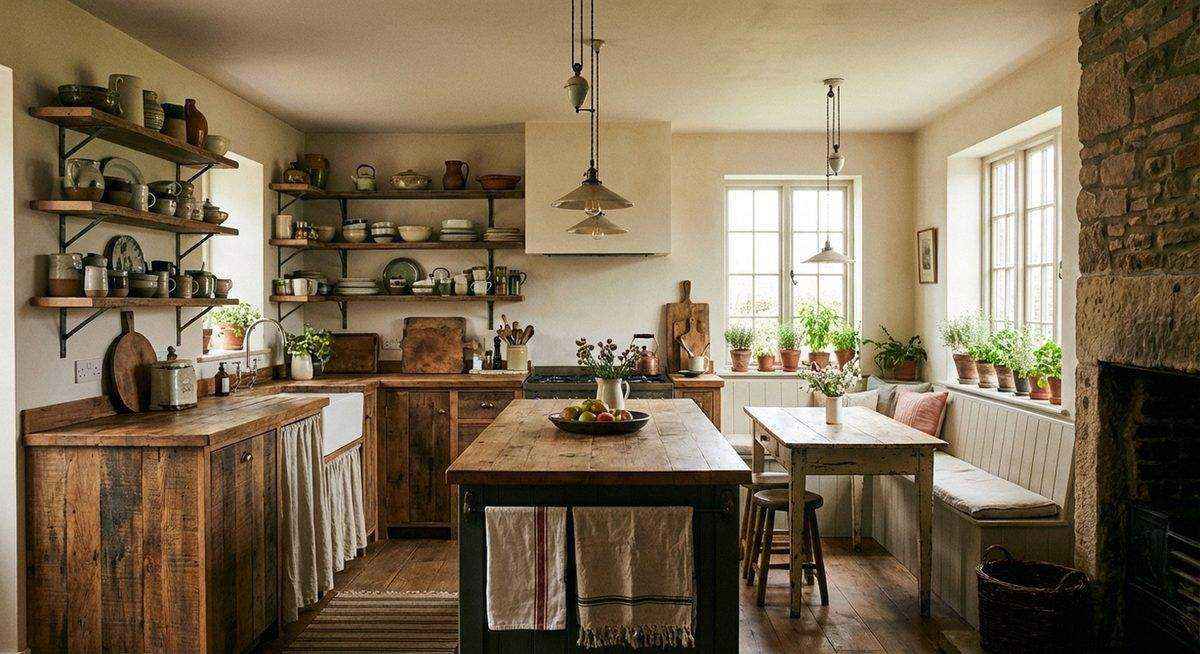
The cozy kitchen is not defined by its size but by its character — a quality of warmth, welcome, and lived-in comfort that makes people linger at the counter long after the meal is prepared. Creating this atmosphere requires attention to materials, light, and the small details that signal a room is cared for and used with pleasure.
Natural Materials
Wood countertops — butcher block in walnut, maple, or oak — bring warmth that stone and laminate cannot match. The grain, the variation in tone, the slight imperfections that develop through use — these qualities communicate a kitchen that is a workshop, not a showroom. Wooden open shelves reinforce the material and provide display space for everyday ceramics and glassware that add color and personality.
Natural stone, terracotta tile, and clay finishes on walls and backsplashes contribute earthen warmth. These materials age gracefully, developing the patina that is the visual signature of a well-used kitchen.
Warm Lighting
Overhead fluorescent or LED panel lighting creates the atmosphere of a commercial kitchen — efficient but emotionally cold. Pendant lights over the counter or island provide warm, focused illumination that draws people toward the work surface. Under-cabinet lights wash the countertop with a gentle glow that makes food preparation feel intimate rather than industrial. A table lamp on an open shelf or a sconce beside a window adds the unexpected warmth that utility lighting cannot achieve.
Open Shelving
Open shelves displaying everyday dishes, cups, bowls, and cooking essentials create visual warmth and accessibility. The items themselves become decoration — a stack of white plates, a row of matching mugs, a collection of wooden cutting boards leaned against the wall. The key is editing: display only items that are attractive and regularly used. Open shelving exposes its contents to view and judgment; curate accordingly.
The Breakfast Nook
A small table and chairs — or a built-in banquette — in or adjacent to the kitchen provides a place for morning coffee, casual meals, and the conversations that naturally occur when someone is cooking. The nook should feel distinct from the working kitchen: softer seating, warmer lighting, perhaps a small rug underfoot. This is where the kitchen transitions from workspace to living space.
Textiles
A kitchen without textiles feels hard and cold. Linen dish towels hanging from a hook, a runner on the counter, a cushion on a window seat, curtains filtering the light — these soft elements absorb sound, add color, and create the visual softness that is essential to coziness. Choose washable, durable fabrics that can handle the kitchen’s demands while maintaining their appearance.
Living Elements
Herbs growing in pots on the windowsill, a vase of wildflowers on the table, a bowl of seasonal fruit on the counter — living elements bring the kitchen to life in a way that no decorative object can replicate. They introduce organic form, changing color, and subtle fragrance. A kitchen with something growing in it feels nourished and nourishing — which is, after all, exactly what a kitchen should be.